RESEARCH TO POLICY WORKSHOP
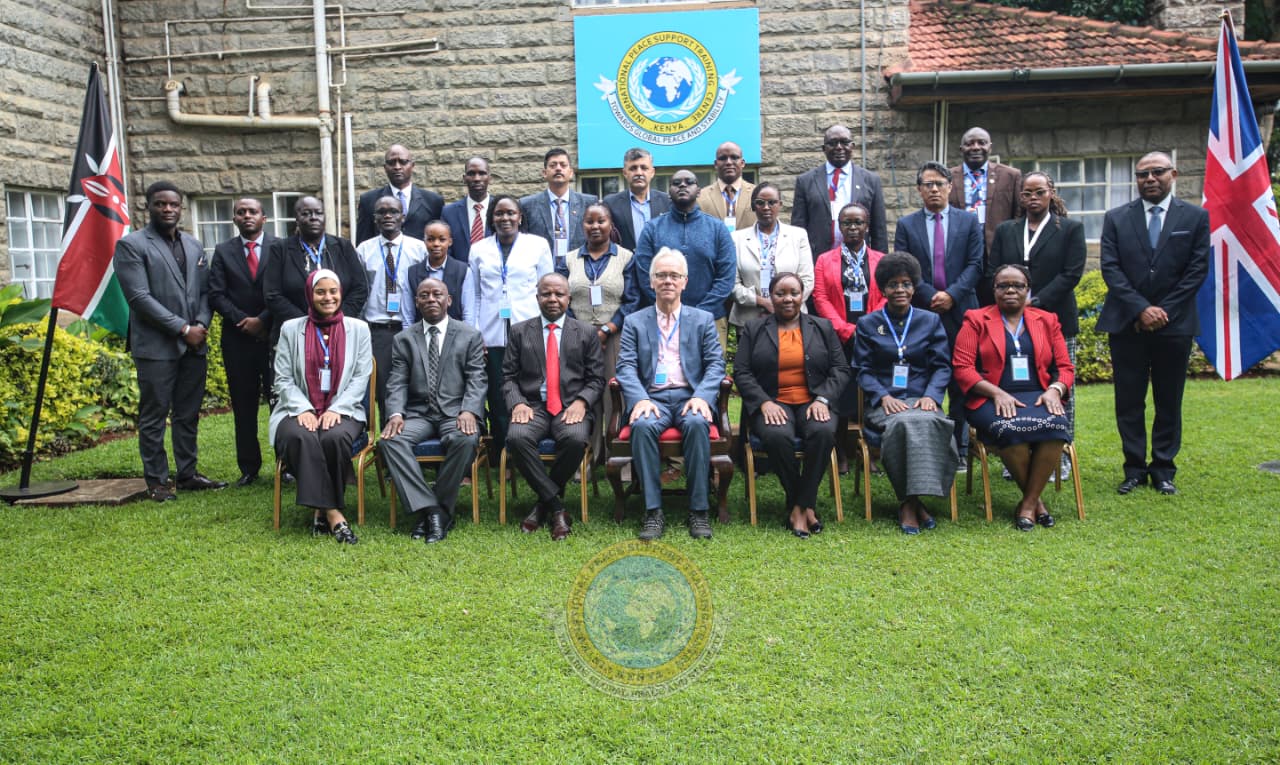
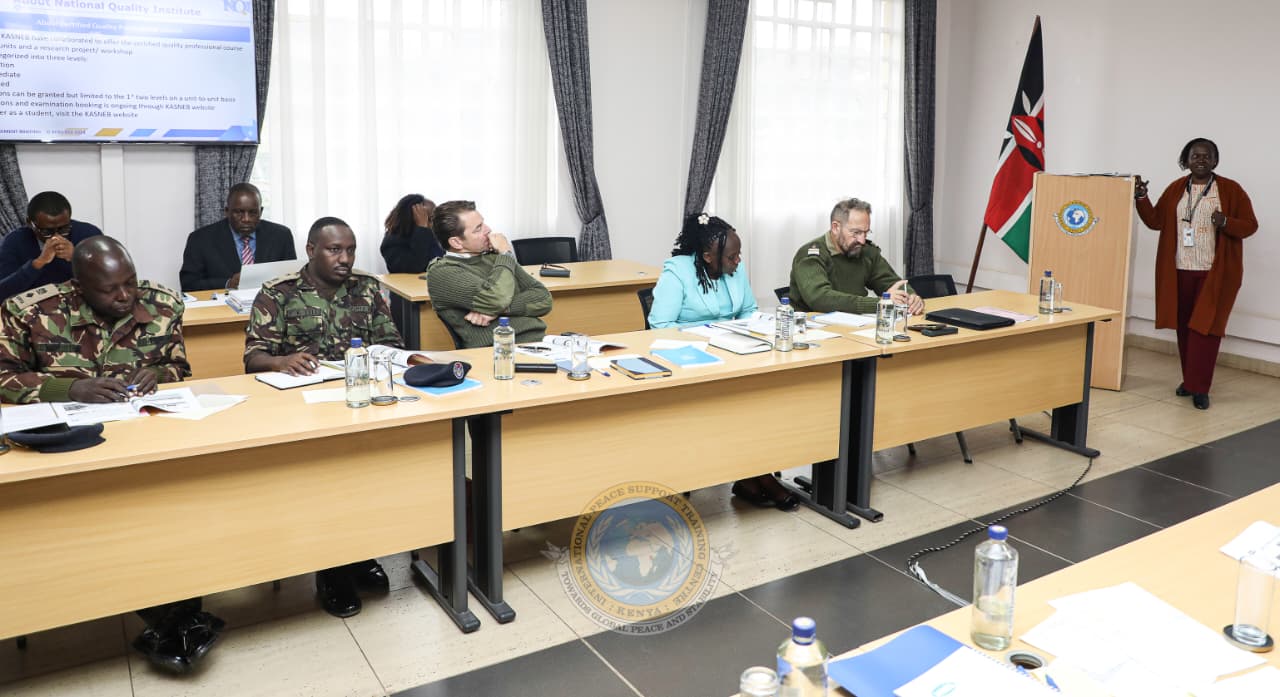
IPSTC in collaboration with the University of Essex convened a one-day workshop under the theme “Translating Peacekeeping Evidence to Field Effectiveness,” bringing together researchers, peace support operations practitioners, and mission representatives to explore how evidence-based research can strengthen peace operations. The workshop provided a platform for meaningful discussions on aligning research, policy, and operational realities in peacekeeping.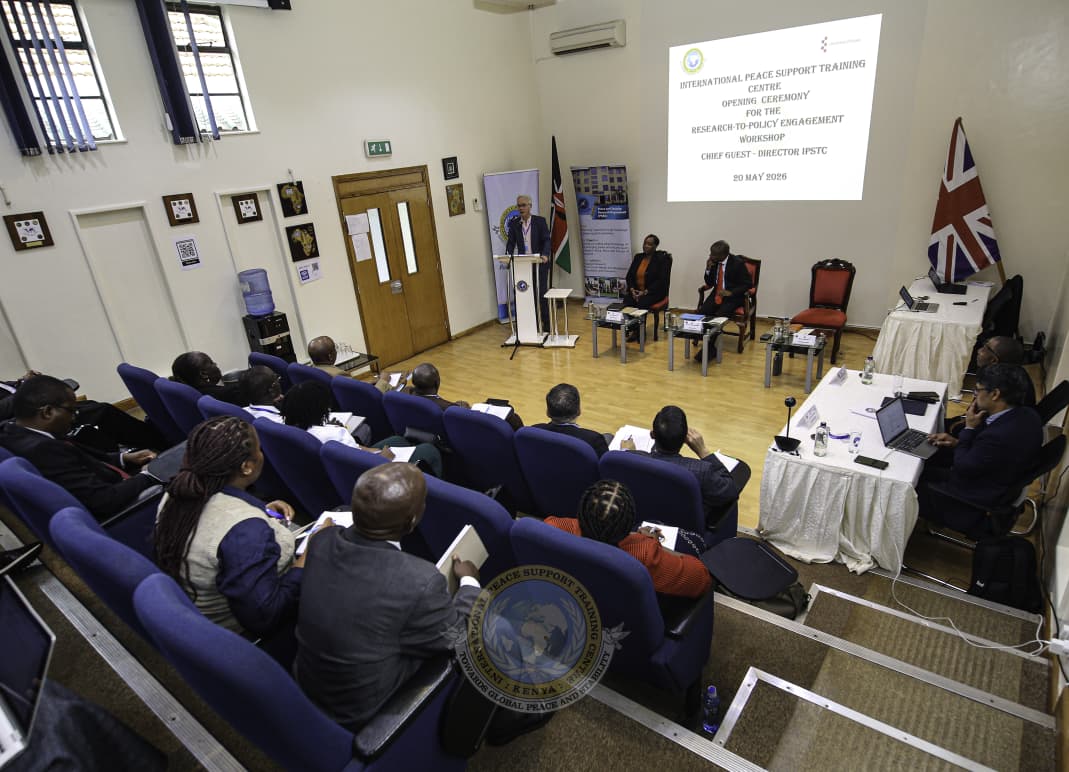
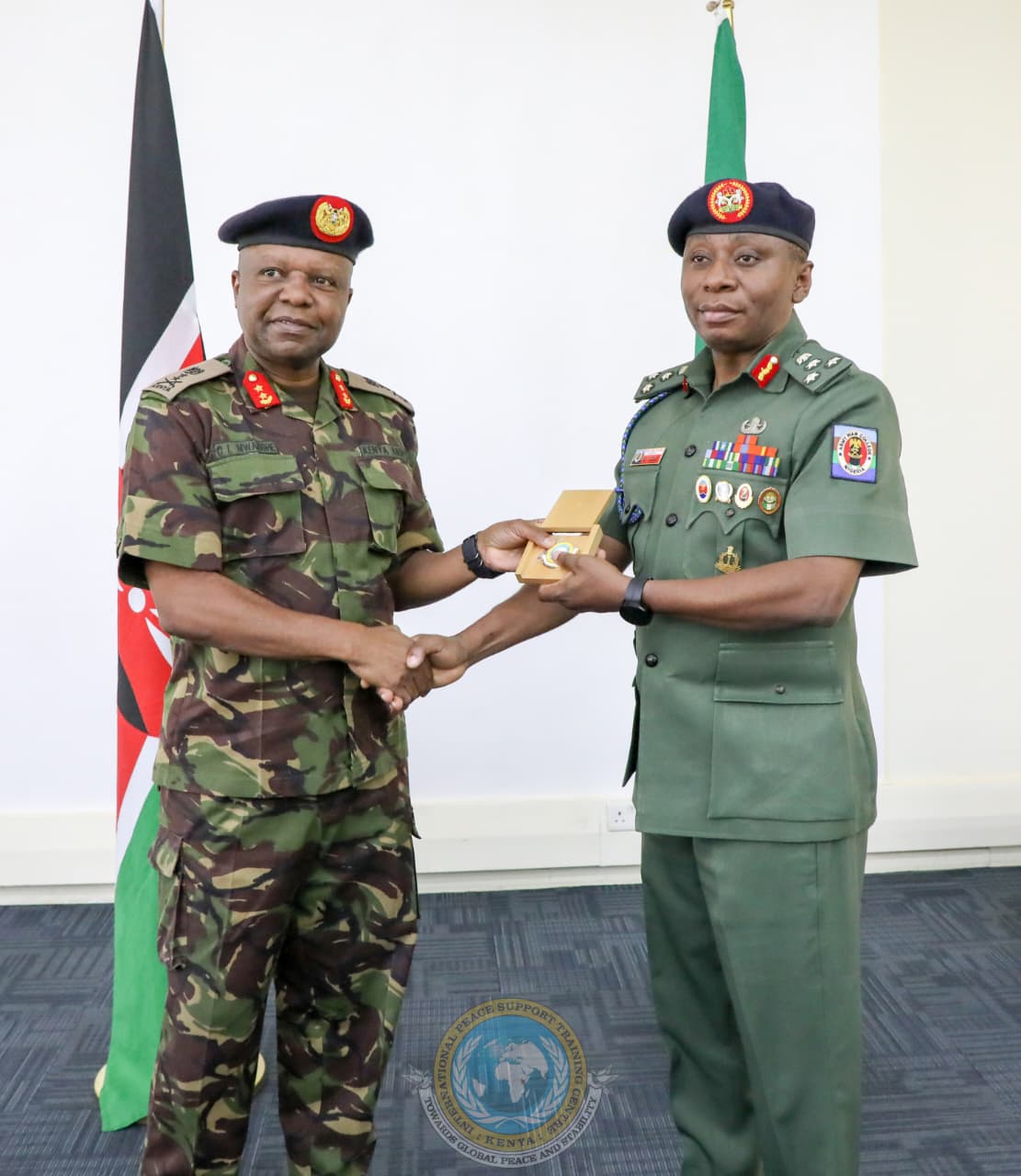
Speaking during the opening session, Prof H Dorussen from the University of Essex emphasized the importance of evidence-based research in improving the effectiveness of peace support operations.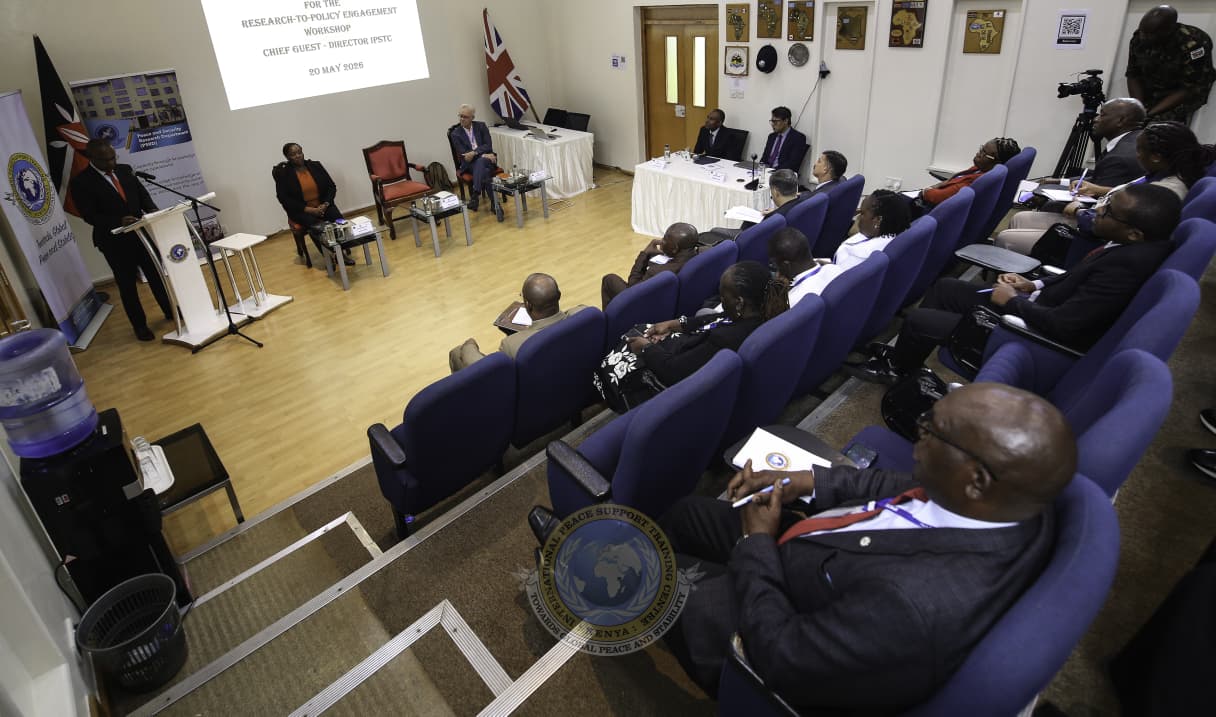 The Director IPSTC, Maj Gen C L Mwazighe reaffirmed the Centre’s commitment to promoting research-driven policy discussions that contribute to more responsive and effective peace operations. He noted that bridging the gap between research and practice is essential in enhancing the impact of peace missions.Through plenary discussions and group engagements, participants examined different perspectives on measuring effectiveness in both United Nations and African Union mission contexts. The sessions encouraged knowledge sharing, reflection on lessons learned, and the development of practical approaches to improving mission outcomes.
The workshop reinforced the importance of partnerships, dialogue, and evidence-informed decision-making in advancing sustainable peace and security efforts, while further strengthening IPSTC’s role as a regional hub for peace and security research, training, and policy engagement.

 The General Officer Commanding Central Command, Major General J M Nkoimo, emphasized that artificial intelligence is rapidly redefining both conflict and peacebuilding. He noted that modern security environments are increasingly shaped by technology, urging institutions to adapt swiftly and integrate AI responsibly while upholding ethical standards to ensure sustainable peace and stability.